What To Expect During A Cabinetmaking Consultation
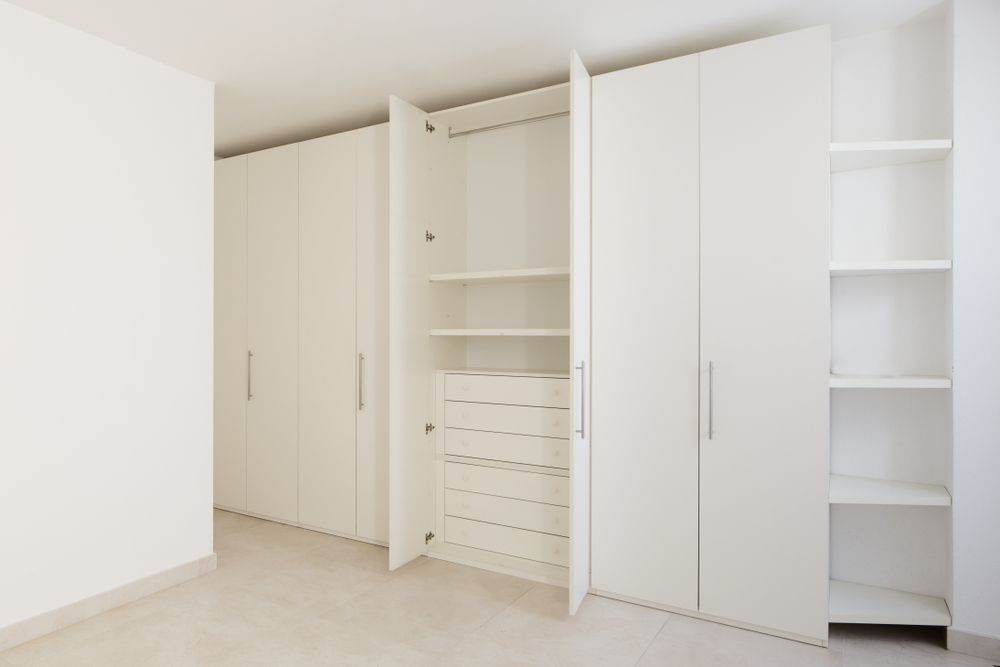
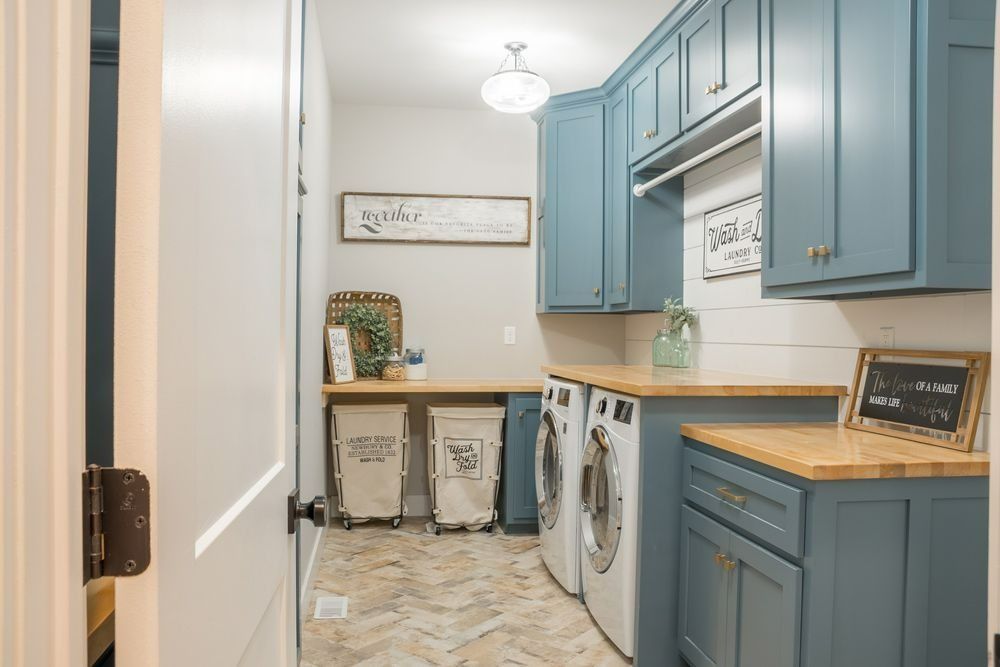
If you’re planning new cabinetry for your kitchen, bathroom, laundry or custom storage project, the consultation is where everything begins. It’s not just about measurements—it’s about understanding how you use your space and what you want it to achieve.
When meeting with
cabinet makers in Ballina, the process should feel clear and structured. A well-run consultation helps you understand what’s involved, what decisions need to be made and how your ideas will translate into a practical design.
Step 1: Understanding Your Goals
The consultation with your Ballina cabinet makers, usually starts with a conversation about your objectives. This might involve a full kitchen renovation, updated bathroom cabinetry or custom storage designed to better use existing space.
You’ll discuss how the area currently functions, what isn’t working and what you would like to improve. For example, you may want deeper drawers, improved workflow in a kitchen or smarter storage solutions in a laundry.
This early discussion sets the direction for the project. It also helps identify long-term considerations such as resale value, durability or future renovations. Good cabinetry should work for you now and continue to serve your needs over time.
Step 2: Site Visit And Measurements
Accurate measurements are essential in custom cabinetmaking. During a site visit, your cabinet maker will measure walls, ceiling heights, floor levels, window placements and service points such as plumbing and electrical connections.
They will also assess practical elements that can affect the design, including uneven walls, structural features or existing fixtures. These details ensure the cabinetry fits precisely and functions as intended.
Properties in Ballina vary in age and layout, so an experienced local cabinet maker will consider how the existing structure may influence installation.
Step 3: Layout And Design Discussion
Once measurements are taken, attention turns to layout. This is where your ideas begin to take shape in a functional way.
You’ll talk through cabinet configuration, drawer placement, shelving, appliance integration and general workflow. In kitchens, the focus often centres on how you move between preparation, cooking and cleaning areas. In bathrooms and laundries, storage efficiency and access become key considerations.
A good consultation balances style and practicality. While aesthetics matter, the design must also allow for safe clearances, appliance specifications and everyday usability.
Step 4: Visual Concepts And Refinement
After the initial discussion, drawings or digital layouts may be prepared to help you visualise the design. Seeing the cabinetry mapped out makes it easier to assess proportions and spacing.
This is the stage where refinements happen. You may adjust cupboard sizes, modify internal layouts or rethink hardware selections once you see the design clearly presented.
Taking time to refine the layout before production begins helps prevent changes later and ensures the final result reflects your expectations.
Step 5: Material And Finish Selection
Choosing materials is an important part of the consultation. You’ll review cabinet door styles, surface finishes, timber options, laminates, benchtops and hardware.
Each material has different durability levels, maintenance requirements and cost implications. Kitchens and wet areas require finishes that handle moisture and daily wear. In coastal environments like Ballina, selecting materials suited to humidity can improve longevity.
Your cabinet maker will explain the pros and cons of each option so you can make informed decisions rather than choosing based solely on appearance.
Step 6: Budget And Quoting
Once the design and materials are outlined, a detailed quote is prepared. This typically includes cabinet construction, hardware, finishes, installation and estimated timelines.
Clear quoting ensures transparency. If adjustments are required to align with budget, this stage allows for practical revisions without compromising the overall intent of the design.
Understanding the scope of work and costs upfront builds confidence before moving into production.
Step 7: Compliance And Technical Considerations
Cabinetry must also meet practical and safety requirements. Kitchens require proper ventilation and appliance clearances. Bathrooms and laundries need suitable moisture protection and plumbing access.
During consultation, these technical details are addressed early. If the project forms part of a larger renovation, coordination with builders, electricians or plumbers may also be discussed.
Identifying these factors before installation reduces delays and avoids unexpected complications.
Step 8: Timeline And Next Steps
After the quote is accepted, final drawings are confirmed and manufacturing begins. Timeframes vary depending on the size of the project and material availability.
Clear communication is important throughout this stage. You should understand when production starts, when installation is scheduled and what preparation is required before cabinetry is fitted.
A structured process ensures the transition from design to installation runs smoothly.
Questions To Ask During Your Consultation
A consultation is also your opportunity to clarify details. You might ask about construction methods, hardware quality, warranty coverage and maintenance requirements.
It’s also helpful to understand how unforeseen issues are handled. In renovation projects, hidden structural variations can arise. Knowing how changes are managed ensures transparency throughout the project.
A good consultation should leave you feeling informed and confident about the next steps.
Preparing For Your Consultation
Before your meeting, think about your priorities. Consider storage needs, preferred style, approximate budget and how you use the space daily.
Bring inspiration images if helpful, but remain open to professional input. Experienced cabinet makers often suggest layout improvements that enhance both function and longevity.
Preparation allows the consultation to focus on practical solutions rather than starting from scratch.
Need Cabinet Makers In Ballina For Your Next Project?
A cabinetmaking consultation lays the groundwork for cabinetry that fits properly, functions well and complements your home. From initial discussion and measurement through to design refinement and material selection, each stage ensures the final result is carefully considered.
If you’re planning custom cabinetry in Ballina and want clear, practical guidance from an experienced team, Rodney Lees Cabinetmaking can help you move from concept to installation with confidence. Get in touch to arrange a consultation and start planning cabinetry that suits your space, style and long-term needs.